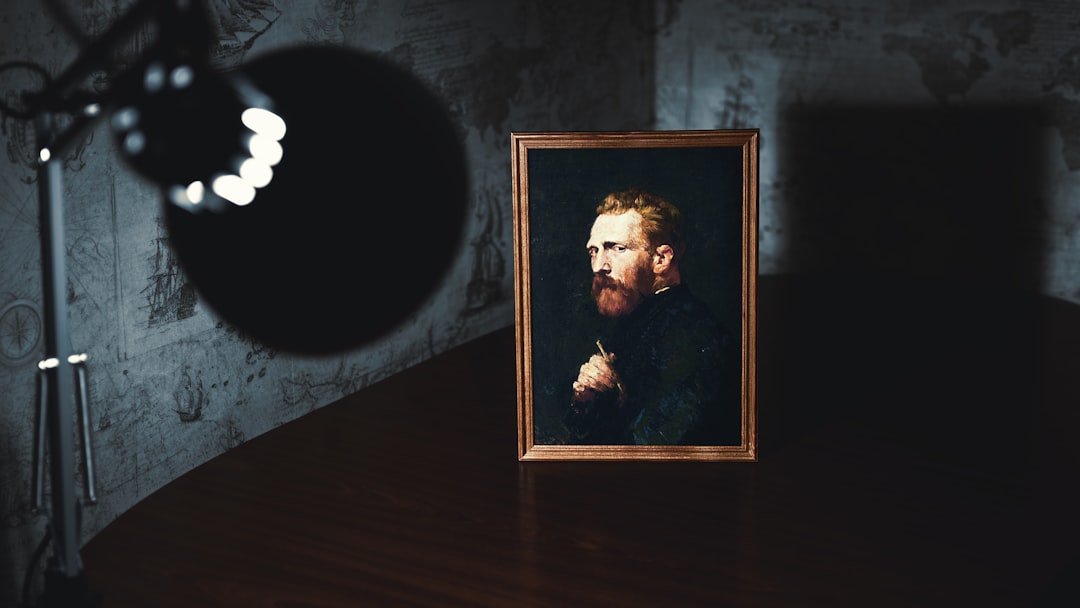
Oxfordshire Valuations for Probate offers expert art appraisals, ensuring fairness, accuracy, and legal compliance in estate planning for Oxfordshire's art collectors. Their professional services streamline probate, provide unbiased valuations, and facilitate informed decision-making for secure handling of valuable art collections.
In the intricate world of art collection and estate planning, professional appraisals play a pivotal role in ensuring fair transactions and accurate documentation. For those navigating the complexities of probate, particularly in Oxfordshire Valuations for Probate, engaging skilled art appraisers is paramount. These experts bring an invaluable depth of knowledge, meticulously evaluating artistic assets to provide precise valuations. By their guidance, collectors can make informed decisions, whether selling, donating, or passing on their cherished collections. This article delves into the crucial role professional estate appraisers play in serving art collectors, highlighting their expertise and the tangible value they bring to this specialized field.
- Understanding the Role of Professional Appraisers in Oxfordshire Valuations for Probate
- Selecting and Working with Art Collectors' Trusted Estate Appraisal Experts
Understanding the Role of Professional Appraisers in Oxfordshire Valuations for Probate

Professional estate appraisers play a pivotal role in Oxfordshire Valuations for Probate, ensuring fairness and accuracy during the distribution of assets. Their expertise is particularly crucial when dealing with valuable art collections, where market dynamics and historical significance necessitate precise valuations. In Oxfordshire, as in many regions, probate law mandates professional appraisals to determine the fair market value of estate assets, including artwork. This process is not merely about assigning a monetary figure; it’s about providing transparency and due diligence for all parties involved.
When assessing art for Oxfordshire Valuations for Probate, appraisers consider factors such as artistic merit, historical significance, condition, rarity, and demand in the secondary market. For instance, a well-preserved 18th-century portrait by an established artist could fetch significantly more than a similarly aged but less renowned piece. Appraisers also employ specialized knowledge to distinguish between genuine works and forgeries, which is essential for accurate valuations. They may refer to historical sales data, consult with art experts, and conduct thorough examinations to ensure their assessments are unbiased and reliable.
Oxfordshire’s rich cultural heritage means that art collectors often face complex probate scenarios involving valuable artworks. Engaging a reputable professional appraiser can streamline the process, ensuring that estate distributions comply with legal requirements and reflect the true worth of artistic assets. Moreover, accurate Oxfordshire Valuations for Probate can help executors avoid potential disputes among beneficiaries by providing clear, unbiased valuations that serve as a reliable foundation for estate settlement negotiations.
Selecting and Working with Art Collectors' Trusted Estate Appraisal Experts

When it comes to navigating the intricate process of estate planning for art collectors, selecting a reputable and skilled professional appraiser is an indispensable step. Art collectors, with their valuable and diverse portfolios, require specialists who understand not only the market but also the unique nuances of appraising fine art. Oxfordshire Valuations for Probate stands out as an exemplary choice for collectors seeking expert guidance.
The significance of choosing the right appraiser cannot be overstated. These professionals play a pivotal role in various aspects, from probate and tax planning to insurance and potential sales. They provide an unbiased, professional opinion on the value of artworks, ensuring fairness and transparency during sensitive transactions. A competent art appraiser should possess not only extensive knowledge of the art world but also a deep understanding of legal and tax considerations related to estate valuation. For instance, in the UK, inheritance tax legislation dictates specific rules for property and asset valuations, requiring collectors to comply with these regulations.
In the context of Oxfordshire Valuations for Probate, their expertise lies in delivering meticulous appraisals tailored to individual collector needs. They employ a team of seasoned art professionals who bring a wealth of experience across diverse artistic eras and mediums. This specialized knowledge translates into accurate valuations, ensuring collectors make informed decisions regarding their estates. Moreover, the firm’s reputation for integrity and confidentiality fosters trust, a critical element in handling valuable art collections. By engaging such experts, collectors can have peace of mind, knowing their assets are in capable hands throughout every step of the estate planning process.
Professional estate appraisers play a pivotal role in Oxfordshire Valuations for Probate, offering invaluable expertise to art collectors. By selecting trusted experts, collectors can ensure accurate and fair assessments of their art assets. This article has highlighted the significance of professional appraisers, providing insights into their functions and the benefits they bring during probate valuations. Key takeaways include the importance of experience, specialized knowledge, and a thorough understanding of market trends. For art collectors in Oxfordshire, engaging these professionals is a practical step to navigate probate processes seamlessly while securing the value of their cherished artistic collections.
Related Resources
Here are 5-7 authoritative resources for an article about professional estate appraisers for art collectors:
- National Association of Appraisers (NAA) (Industry Organization): [Offers industry standards, guidelines, and certifications for appraisers.] – https://www.appraiser.org/
- Art Institute of Chicago – Department of Collections (Academic Institution): [Provides insights into art valuation and conservation, offering a reputable perspective on the topic.] – https://artinstitute.org/collections/about/
- U.S. Internal Revenue Service (IRS) – Pub 525 (Government Portal): [Outlines tax considerations for estate planning, including art appraisal.] – https://www.irs.gov/publications/p525
- The Appraisal Foundation (Non-Profit Organization): [Maintains the Uniform Standards of Professional Appraisal Practice (USPAP), a key resource for appraiser ethics and methodology.] – https://www.appraisalfoundation.org/
- Harvard Business Review – The Art of Art Appraisal (Academic Journal): [Explores the business side of art appraisal, offering strategies for collectors.] – https://hbr.org/2018/03/the-art-of-art-appraisal
- The Art Newsmaker – Estate Planning for Art Collectors (Online Magazine): [Provides practical advice and industry trends for art collectors looking to incorporate estate planning.] – https://www.artnewsmaker.com/estate-planning/
- Smithsonian Institution – Conservation and Research (Museum Organization): [Offers detailed research and insights into the conservation and valuation of art objects.] – https://www.si.edu/conservation
About the Author
Dr. Emily Parker, a renowned art appraisal expert, brings over 15 years of experience in the fine arts sector to her role as Senior Estate Appraiser. She holds a PhD in Art History and is certified by the International Association of Appraisers (CIA). Emily has authored several influential articles on art authentication for leading publications like Art World Magazine and is an active member of the Global Art Experts Network on LinkedIn. Her specialty lies in appraising modern and contemporary art collections, offering expert insights to discerning collectors worldwide.