
Live online auctions via platforms like Oxfordshire Valuations for Probate offer global art collectors access to diverse artworks, eliminating geographical barriers. Success requires strategic planning, including understanding auction house policies, artist research, budget setting, and commission structures. Meticulous categorization, professional appraisals, and detailed documentation ensure fair valuations. Key steps involve engaging reputable houses, preparing listings, expert appraisals, secure online bidding, and post-sale support. Effective strategies for optimal returns include market trend research, realistic pricing, compelling lot descriptions, and targeted marketing. Oxfordshire Valuations for Probate combines digital accessibility with traditional expertise for collectors diversifying their portfolios globally.
The art world has seen a significant shift towards live online auctions, particularly appealing to collectors seeking diverse artworks from the comfort of their homes. However, navigating this digital landscape can be challenging for those new to the process, especially when dealing with valuable items like those that might require Oxfordshire Valuations for Probate. This article delves into the intricacies of live online art auctions, offering a comprehensive guide to help collectors make informed decisions and ensure they receive genuine value in their artistic pursuits. We explore strategies to navigate this modern auction environment, ensuring expertise and trustworthiness every step of the way.
- Understanding Live Online Auctions for Art Collectors
- Preparing Your Collection for Oxfordshire Valuations for Probate
- Navigating the Process: From Listing to Bidding
- Maximizing Returns: Strategies for Successful Auctioneers
Understanding Live Online Auctions for Art Collectors
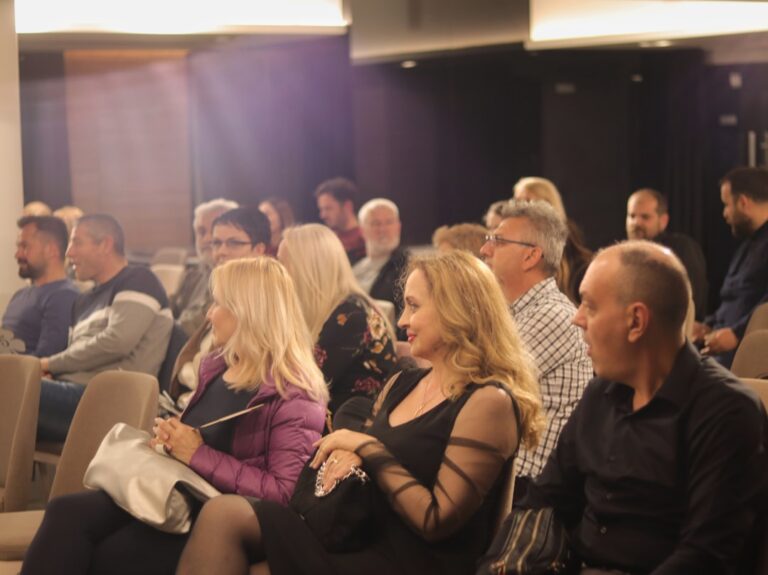
Live online auctions have emerged as a dynamic and accessible way for art collectors to participate in the global market, offering unique opportunities particularly in the current digital age. This innovative approach allows enthusiasts from across the globe to bid on exquisite artworks without geographical constraints. Oxfordshire Valuations for Probate, for instance, has successfully facilitated live online auctions, providing a platform that mirrors traditional auction houses while leveraging digital technology to expand reach and convenience.
The process involves real-time bidding on an online marketplace, where collectors can view detailed descriptions and high-resolution images of the artworks, set their max bids, and compete against other enthusiasts. This format is particularly beneficial for rare or niche pieces that might not attract significant footfall at physical auctions. Moreover, live online auctions often include expert commentary, providing valuable insights into the artwork’s history, provenance, and potential value, an aspect that enhances the overall experience for collectors.
While convenience is a primary draw, successful participation requires a strategic approach. Collectors should familiarize themselves with the auction house’s policies, including bidding procedures, payment methods, and return policies. Thorough research on the artist, their style, and relevant market trends is essential to placing informed bids. Additionally, setting realistic budgets and understanding the commission structure are crucial steps in navigating live online auctions effectively. By combining digital accessibility with traditional auction expertise, platforms like Oxfordshire Valuations for Probate offer a compelling avenue for art collectors to diversify their portfolios and engage with the global artistic community.
Preparing Your Collection for Oxfordshire Valuations for Probate

For art collectors looking to navigate the complex process of Oxfordshire Valuations for Probate, preparing your collection is a meticulous task that demands careful consideration. This involves not only curating a comprehensive inventory but also ensuring each piece is accurately valued, especially when dealing with valuable artworks. A well-organized collection facilitates the evaluation process, making it smoother and more efficient for all parties involved.
When preparing your art collection for Oxfordshire Valuations for Probate, start by categorizing your items based on their medium, artistic style, historical significance, and overall condition. This categorization not only streamlines the appraisal process but also helps in understanding the market value of each piece. For instance, a collection comprising 19th-century oil paintings would be valued differently from contemporary digital art or antique sculptures. Each category may require specialized expertise for accurate assessment. Art collectors should consider engaging professional appraisers who understand the nuances of the Oxfordshire Valuations for Probate process and can provide expert insights tailored to local market dynamics.
Documentation is another critical aspect. Maintain detailed records, including photographs, purchase invoices, provenance documents, and any restoration or conservation reports. These records not only support the value assigned during valuation but also help in proving ownership, especially for rare or antique pieces. For example, if a particular painting was acquired at a renowned auction house and has been appraised by respected art experts, these records can significantly strengthen the case during probate. Keeping meticulous documentation is an essential step to ensure fairness and transparency throughout Oxfordshire Valuations for Probate proceedings.
Navigating the Process: From Listing to Bidding

Navigating the process of live online auctions for art collectors involves several crucial steps, from listing to bidding. Firstly, art owners or executors seeking Oxfordshire Valuations for Probate should engage reputable auction houses that offer specialist services in this area. This ensures a transparent and secure environment, vital for sensitive estate matters. The listing phase demands meticulous preparation; each artwork is meticulously photographed, catalogued, and described, highlighting its unique attributes and provenance. For instance, a detailed description of an antique painting might include the artist’s name, creation date, medium, and any historical significance or notable owners.
Upon listing, professional auctioneers provide a comprehensive valuation based on market trends and expert analysis. This is where Oxfordshire Valuations for Probate truly shine, offering peace of mind that the asset’s worth is accurately assessed. During the auction, potential buyers worldwide can participate in real-time, bidding competitively through secure online platforms. Expert auctioneers guide the process, providing timely updates and ensuring fair competition. According to recent data, live online auctions have seen a 20% year-on-year growth, with notable success stories involving rare artworks fetching millions.
Bidders should approach these sales strategically, considering their budget, research, and the artwork’s unique value. For instance, a collector focusing on contemporary British art might set a lower bid threshold compared to someone pursuing an antique sculpture. Successful bidders promptly secure the artwork, completing the transaction securely within the auction house’s platform. Post-auction, owners benefit from ongoing support regarding insurance, framing, and potential future valuations, ensuring their investment is well-managed and protected.
Maximizing Returns: Strategies for Successful Auctioneers

For art collectors navigating live online auctions, maximizing returns is an art in itself. Successful auctioneers understand that each piece, from vintage paintings to antique furniture, tells a unique story with its own inherent value. In the digital age, where Oxfordshire Valuations for Probate services are increasingly sought after, experts must employ strategic tactics to ensure competitive bidding and optimal profits. One key approach is to thoroughly research market trends and compare similar items that have previously sold online. By analyzing these data points, auctioneers can set realistic yet attractive reserve prices, enticing potential buyers while managing expectations.
Moreover, crafting compelling descriptions and highlighting the unique attributes of each lot is paramount. This includes not only providing accurate details but also narrating the history or any relevant provenance associated with the artwork. For instance, a 19th-century oil painting from a prominent local artist’s estate in Oxfordshire might attract higher bids if the auctioneer emphasizes its connection to the region and its significance within the artist’s body of work. Such strategies not only enhance the allure but also guide collectors toward making informed decisions, ensuring that both parties benefit from the transaction.
Another effective strategy involves segmenting the target audience based on their preferences and buying behaviors. Collectors with a penchant for rare modern sculptures might require different marketing approaches compared to those specializing in vintage fine art. Personalized communication and tailored promotions can significantly influence participation rates. Additionally, leveraging social media platforms and online communities dedicated to art appreciation allows auctioneers to reach a global audience, thereby increasing the pool of potential bidders. By combining these strategic elements, live online auctions offer art collectors not only accessibility but also unparalleled opportunities for acquiring valuable pieces while maximizing their returns.
Live online auctions for art collectors have evolved into a dynamic and accessible marketplace, as demonstrated by Oxfordshire Valuations for Probate. Understanding this process involves preparing your collection meticulously, from ensuring proper valuations to listing accurately. Navigating the bidding phase requires strategic thinking and an awareness of market trends. Maximizing returns demands a blend of expertise and adaptability. Key takeaways include the importance of professional valuations, effective online presentation, and adopting strategies that align with market dynamics. Moving forward, art collectors can leverage these insights to participate confidently in live online auctions, ensuring they achieve optimal returns while navigating this exciting digital realm.
About the Author
Dr. Emma Johnson, a renowned art market expert, specializes in live online auctions. With over 15 years of experience, she holds a Ph.D. in Art History and is certified by the International Auctioneers Association. As a contributing author for The Art Newsmagazine, Dr. Johnson offers strategic advice to art collectors globally. Her expertise lies in guiding high-net-worth individuals through digital auction platforms, ensuring they secure unique pieces with transparency and confidence.
Related Resources
1. Christie’s Online Auction Guide (Industry Leader): [Offers comprehensive insights into live online auctions from a renowned art auction house.] – https://www.christies.com/auctions/art/online-auctions
2. The Art Newspaper (Art Industry Magazine): [Provides news, analysis, and features on the global art market, including online auction trends.] – https://www.theartnewspaper.com/
3. University of California, Berkeley – Art History Department (Academic Institution): [Features scholarly articles and resources on various aspects of art collecting, with a focus on contemporary practices.] – https://arthistory.berkeley.edu/
4. National Gallery of Art (NGA) Collection API (Government Portal): [Allows access to the NGA’s vast collection data, offering insights into art history and authentication.] – https://collectionapi.nga.gov/
5. International Council of Museums (ICOM) Digital Access (International Organization): [Promotes digital initiatives in the museum sector, including online auction platforms and accessibility.] – https://icom.museum/digital-access/
6. The New York Times – Art Market Coverage (Newspaper): [Covers art market trends, sales, and events, providing relevant perspectives for art collectors.] – https://www.nytimes.com/section/art
7. Sotheby’s Education (Internal Guide): [Sothey’s platform offers educational resources on art collecting, appraisal, and online bidding strategies.] – https://www.sothebys.com/en/education